
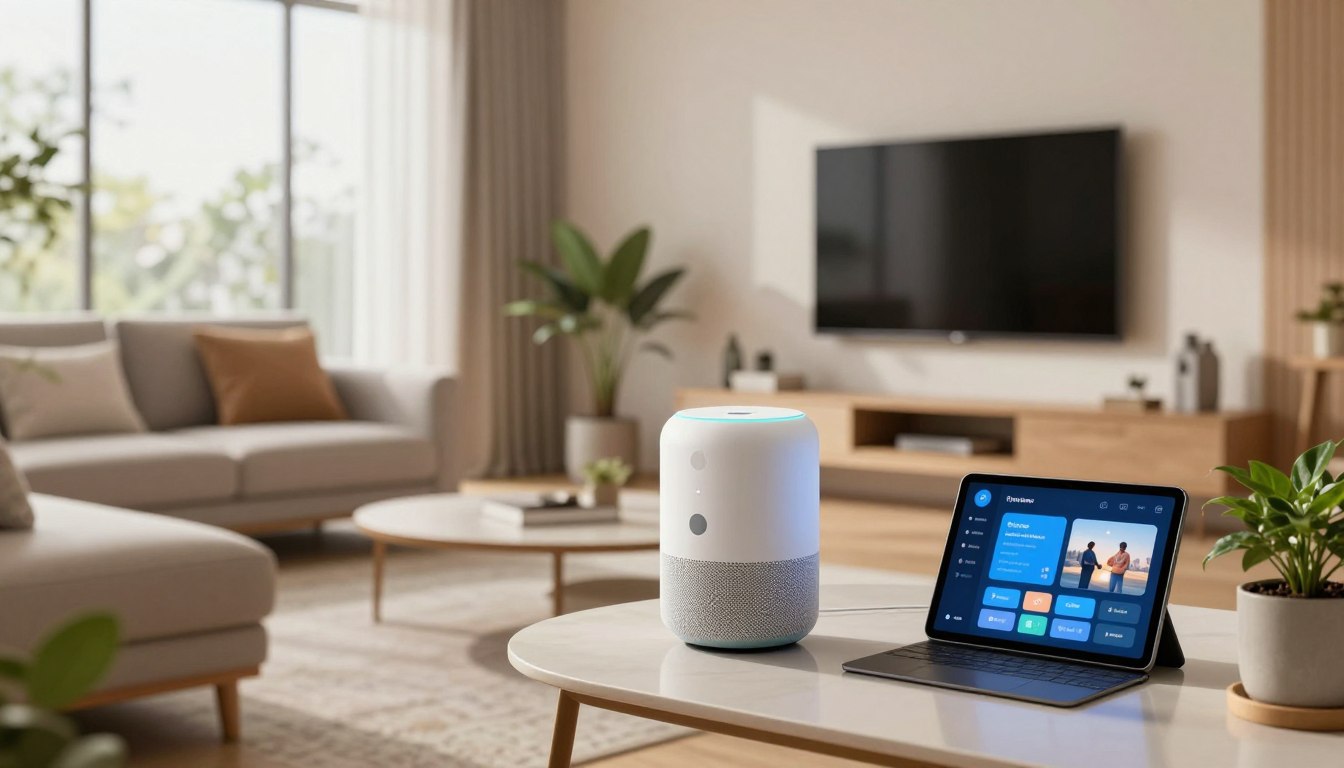
Did you know that the average person spends over 400 hours every year on repetitive household chores? By embracing modern technology, you can reclaim that lost time and transform your living space into a hub of efficiency and comfort.
Integrating smart home devices into your daily routine allows you to automate mundane tasks with ease. These tools serve as the foundation for a truly responsive household, letting you focus on what matters most while your environment handles the rest.
Whether you want to optimize your energy usage or simply enjoy a more convenient lifestyle, these innovations provide the perfect solution. Adopting the right smart home devices is the first step toward building a modern, automated sanctuary that works for you around the clock.
Key Takeaways
- Automation saves hundreds of hours on yearly household chores.
- Modern technology significantly boosts your daily productivity levels.
- Responsive environments create a more comfortable living experience.
- Energy efficiency is a primary benefit of connected household tools.
- Building an automated space simplifies complex daily routines.
Getting Started with Smart Home Devices
Setting up your new smart home begins long before you unbox your first device. Careful planning is the secret to a frustration-free experience that truly simplifies your daily life. By taking a few strategic steps now, you ensure that your technology works for you rather than against you.

Assessing Your Home Network Requirements
Your Wi-Fi network serves as the backbone for all your wireless home devices. If your bandwidth is too low, you will likely face annoying connectivity drops or laggy responses. Before adding new hardware, check your router’s capacity to handle multiple simultaneous connections.
Most modern routers can manage a high volume of traffic, but older models may struggle. You might consider upgrading to a mesh Wi-Fi system if your home has dead zones. A stable connection is essential for keeping your smart home gadgets online and responsive at all times.
Choosing a Compatible Ecosystem
Selecting the right platform is just as important as choosing the hardware itself. You want an ecosystem that allows your Smart Home Devices to communicate seamlessly without complex workarounds. Whether you prefer Amazon Alexa, Google Home, or Apple HomeKit, consistency is key.
Compatibility ensures that your lights, locks, and thermostats work together under one unified interface. Before purchasing new gear, always verify that the product supports your chosen hub. This simple check prevents the headache of managing multiple apps for different smart home gadgets, keeping your digital life organized and efficient.
Essential Steps for Automating Your Daily Routine
Transforming your living space into a modern sanctuary starts with mastering the art of home automation. By integrating various smart home gadgets, you can reclaim valuable time and significantly reduce your monthly utility bills. This process is about creating a home that works for you, rather than the other way around.
Installing Smart Thermostats for Energy Efficiency
One of the most effective ways to manage your environment is through the use of smart thermostats. These wireless home devices learn your preferences over time and adjust the climate based on your actual presence in the room. This ensures that you are never heating or cooling an empty house.
Configuring Automated Temperature Schedules
To get the most out of your system, you should set up specific temperature profiles for different times of the day. For example, you might program a cooler setting for sleeping and a warmer, more active temperature for your morning routine. Most modern interfaces allow you to adjust these settings directly from your smartphone with just a few taps.
Setting Up Smart Security Cameras for Peace of Mind
Protecting your property is a top priority for any homeowner. Installing smart security cameras provides a reliable way to monitor your home from anywhere in the world. These devices offer real-time alerts, ensuring you stay informed about any activity around your entry points.
Positioning Devices for Optimal Coverage
Strategic placement is essential for maximizing the effectiveness of your surveillance setup. You should aim to cover all primary entryways, including front doors, back patios, and garage access points. Ensure that your cameras are mounted at a height that captures clear facial details while remaining out of easy reach for potential intruders.
Integrating Smart Lighting Systems
Lighting plays a crucial role in setting the mood and improving the functionality of your living areas. By connecting your lights to a central hub, you can automate your home’s ambiance to match your lifestyle. This simple upgrade makes your daily transitions much smoother and more enjoyable.
Creating Scenes for Different Times of Day
You can create custom scenes that trigger specific lighting levels based on your needs. A “Morning” scene might slowly brighten your bedroom lights to mimic a natural sunrise, while an “Evening” scene could dim the living room lights for relaxation. These automated adjustments help maintain a consistent and comfortable atmosphere throughout your home.
| Automation Category | Primary Benefit | Ease of Setup |
|---|---|---|
| Smart Thermostats | Energy Savings | Moderate |
| Security Cameras | Enhanced Safety | High |
| Smart Lighting | Ambiance Control | Easy |
“The best technology is the kind that disappears into the background, making life simpler without demanding constant attention.”
Optimizing Your Connected Home Technology
Once your devices are installed, the focus shifts toward long-term optimization and robust protection. Refining your setup ensures that your home automation ecosystem remains stable and responsive over time.
Managing IoT Devices Through Centralized Hubs
Managing a growing collection of iot devices can quickly become overwhelming if each gadget requires its own app. Centralized hubs act as a bridge, allowing different brands to communicate seamlessly within one interface.
By consolidating your controls, you significantly reduce network congestion. This approach simplifies your daily interactions and ensures that your connected home technology operates with peak efficiency.
“The true power of a smart home lies in the ability of disparate systems to function as a single, unified entity.”
Consider these benefits of using a dedicated hub:
- Unified Control: Manage lights, locks, and thermostats from one dashboard.
- Reduced Latency: Local processing speeds up response times for your commands.
- Improved Compatibility: Connect devices that do not natively support the same protocols.
Prioritizing Security and Privacy Settings
Protecting your digital life is just as important as the convenience provided by home automation. You must take proactive steps to secure your network against unauthorized access and potential vulnerabilities.
Start by changing default passwords on all your iot devices immediately after setup. Enabling two-factor authentication adds a vital layer of defense that keeps your personal data private.
Regularly updating your firmware is another essential practice for maintaining a secure environment. Manufacturers frequently release patches to fix security gaps, ensuring your connected home technology stays protected against the latest threats.
Conclusion
Building a modern home requires a clear vision of how your daily habits meet new innovations. Selecting the right iot devices turns a standard house into a responsive environment that anticipates your needs.
Focusing on quality over quantity ensures your setup remains reliable for years. High-quality connected home technology provides the foundation for a seamless experience that grows with your family.
Take time to review your current setup and identify areas where small upgrades offer the most value. A thoughtful approach to automation saves time and energy while keeping your data safe.
Share your favorite smart home setups with friends or neighbors to spark new ideas. Your journey toward a smarter lifestyle starts with one simple change today.