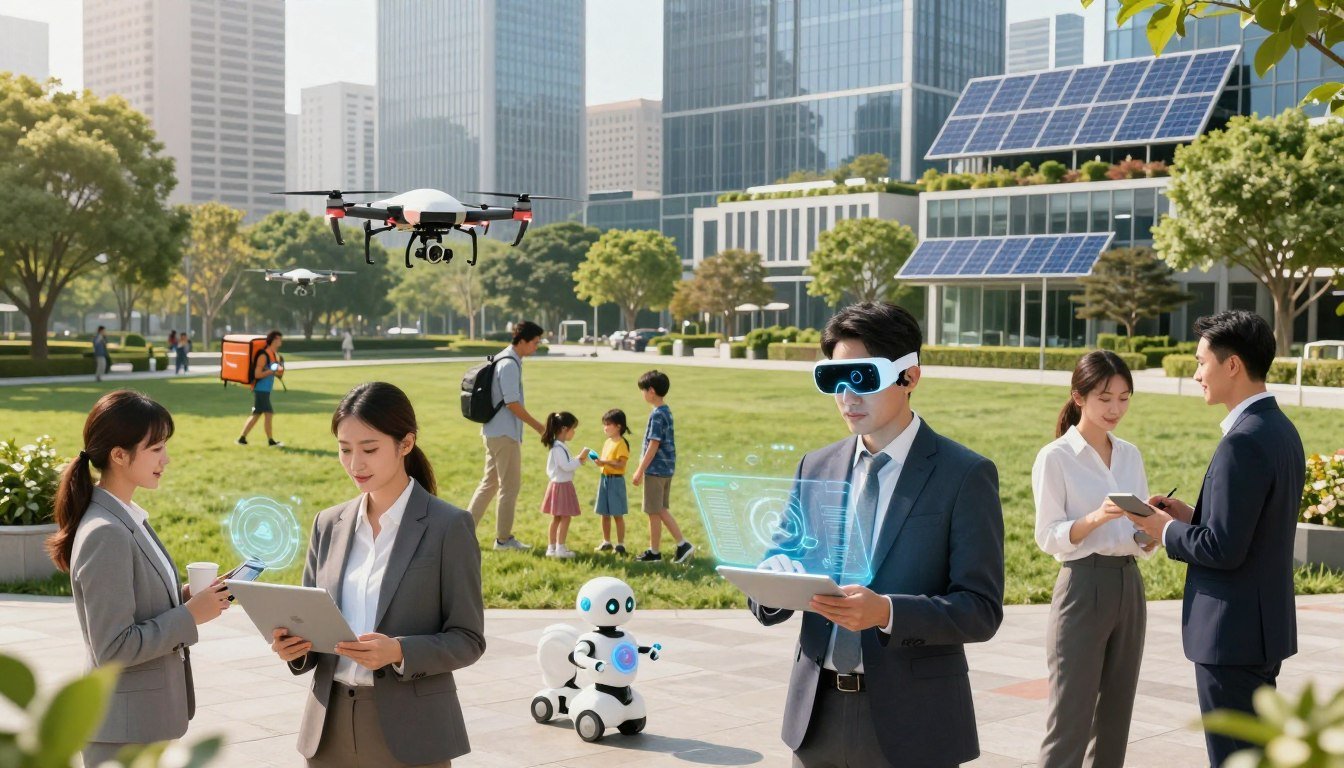
Did you know that over 75% of global enterprises have already integrated machine learning into their core operations? This staggering statistic highlights the rapid pace at which artificial intelligence has moved from science fiction into our homes and offices.
We are currently witnessing a massive digital transformation that redefines our relationship with modern tools. From smart assistants managing our schedules to complex algorithms optimizing global supply chains, these systems are becoming foundational elements of our society.
Understanding these advancements is no longer optional for those who want to thrive in the modern world. By embracing this digital transformation, we gain the ability to navigate a landscape where artificial intelligence serves as a powerful partner in our personal and professional growth.
Key Takeaways
- Machine learning adoption has reached over 75% in major global enterprises.
- Modern technology is shifting how we interact with our homes and workplaces.
- Understanding these tools is essential for navigating the current technological landscape.
- These systems are evolving into foundational pillars of our modern society.
- Embracing new tech allows individuals to leverage powerful partners for personal growth.
Understanding How AI Is Changing Everyday Life
The rapid digital transformation of our homes has turned artificial intelligence from a futuristic dream into a helpful household companion. What once felt like a luxury reserved for tech enthusiasts is now a standard part of our daily routines. This shift has fundamentally altered how we interact with our living spaces.

The Shift from Novelty to Necessity
In the past, voice assistants and smart thermostats were viewed as interesting gadgets or novelties. Today, these tools have become essential for managing the complexities of a busy household. They provide real-time support that helps families stay organized and efficient.
This transition happened because the technology became more reliable and easier to use. As AI systems learned to understand natural language and human behavior, they moved from being toys to becoming indispensable assistants. People now rely on these systems to manage schedules, control energy usage, and even monitor home security.
Common AI Applications in Modern Households
Many families now utilize a variety of ai applications to streamline their chores and reduce their mental load. From robotic vacuums that map your floor plan to smart refrigerators that track grocery needs, the options are vast. These smart devices work together to create a seamless environment that anticipates your needs before you even ask.
The primary automation benefits include significant time savings and improved energy efficiency. By automating repetitive tasks, you gain more freedom to focus on what truly matters. Consider the following ways these technologies improve daily life:
- Energy Management: Smart thermostats learn your temperature preferences to lower utility bills.
- Home Security: Intelligent cameras distinguish between family members and strangers to provide better alerts.
- Personalized Entertainment: Streaming services use algorithms to suggest content tailored to your unique tastes.
Ultimately, the integration of these systems makes modern living feel more intuitive. By embracing these advancements, you can create a home that works smarter, not harder, for your family.
Practical Steps to Integrate AI into Your Daily Routine
Harnessing the power of technology allows you to reclaim your time and focus on what matters most. By adopting a few simple habits, you can turn your living space into a responsive environment that works for you. These automation benefits help reduce the mental load of managing repetitive tasks.
Step 1: Optimize Your Smart Home Ecosystem
Configuring Amazon Alexa or Google Nest for Automation
Start by connecting your smart devices to a central hub like Amazon Alexa or Google Nest. These platforms act as the brain of your home, allowing you to create routines that trigger multiple actions at once. For example, you can set a “Good Morning” routine that adjusts your thermostat, starts your coffee maker, and reads your daily calendar with a single voice command.
Step 2: Leverage AI Tools for Personal Productivity
Using ChatGPT for Scheduling and Writing Tasks
Generative AI tools have changed how we approach our daily to-do lists. You can use ChatGPT to draft emails, summarize long documents, or even organize your weekly schedule. By delegating these time-consuming tasks to an AI assistant, you free up your schedule for more creative and meaningful work.
Step 3: Enhance Your Digital Security with Machine Learning
Setting Up AI-Powered Fraud Detection and Password Managers
Modern machine learning algorithms are essential for keeping your personal data safe. Many banking apps now use these systems to identify suspicious activity in real-time, providing an extra layer of protection against fraud. Additionally, using an AI-integrated password manager ensures that your credentials remain secure while simplifying your login process across various websites.
Step 4: Curate Your Information Feed
Refining Algorithms on Social Media and News Platforms
You have more control over your digital experience than you might realize. By actively engaging with content that aligns with your interests, you help refine the algorithms that curate your feeds. This practice leads to better data-driven decisions regarding the information you consume daily.
- Mute or unfollow accounts that do not provide value.
- Click on topics you want to see more of to train the system.
- Use “Not Interested” buttons to reset your preferences.
Taking these steps ensures that your digital environment remains a source of inspiration rather than distraction. Making data-driven decisions about your online interactions is a key part of maintaining a healthy relationship with technology. Through machine learning, your platforms will eventually learn to serve you better, highlighting the true automation benefits of a connected life.
Preparing for the Future of Artificial Intelligence
As the digital landscape evolves, your ability to adapt will define your success in an AI-driven world. The rapid integration of artificial intelligence into our daily lives is not just a trend; it is a fundamental shift in how we interact with information. By taking proactive steps today, you can ensure that you remain a confident participant in this changing environment.
Developing Data Literacy Skills
To thrive in the coming years, you must become comfortable with data-driven decisions. This does not mean you need to be a computer scientist. Instead, it involves learning how to interpret the information presented to you by various digital platforms.
Developing these skills allows you to distinguish between reliable insights and misleading content. Consider these essential habits for building your data literacy:
- Verify the source of information before accepting it as fact.
- Learn the basics of how machine learning models identify patterns.
- Practice questioning the intent behind automated recommendations.
Staying Informed on Ethical Technology Impacts
The broader technology impacts of these advancements extend far beyond our personal devices. As these systems become more integrated into the workforce and society, understanding the ethical implications becomes vital. Staying informed helps you navigate the digital landscape with both confidence and responsibility.
“The best way to predict the future is to create it, but we must do so with a clear understanding of the tools we are building.”
You should keep an eye on how artificial intelligence influences job markets and privacy standards. By staying curious about the ethical side of machine learning, you position yourself to make better choices. Ultimately, your commitment to learning will help you harness the power of these tools while maintaining your personal values in a world shaped by data-driven decisions.
Conclusion
Artificial intelligence now serves as a core pillar of our daily routines. You possess the tools to manage smart homes, boost personal output, and secure your private data. These capabilities transform how we interact with technology on a global scale.
Staying aware of future trends remains vital for your long-term success. Companies like OpenAI and Google continue to push boundaries that redefine our digital landscape. You should monitor these shifts to maintain a competitive edge in your professional and personal life.
Growth requires a commitment to lifelong learning. You can navigate this automated era with confidence by refining your data literacy skills. Keep exploring new platforms and remain curious about the innovations shaping our world.
Your proactive approach determines how well you adapt to the next wave of change. Share your experiences with these tools to help others in your community. We invite you to stay engaged as we witness the next chapter of human and machine collaboration.